Project Background
Home » Project Background
The Kenya Marine Fisheries and Socio-Economic Development (KEMFSED) project is implemented by Government of Kenya, through the State Department for Blue Economy and Fisheries with support from the World Bank. The supports the country in its efforts to leverage emerging opportunities in the Blue Economy. The project duration is 2020-2025 with funding worth KSH10 billion.
The Project Development Objective is to improve management of priority fisheries and mariculture and increase access to complementary livelihood activities in coastal communities.
These priority fisheries are:
- Snapper fisheries in the North Kenya Banks
- Small-scale purse seine (ringnet)
- Small-scale line-caught tuna
- Shallow water prawn
- Octopus, and the inshore and creek basket trap
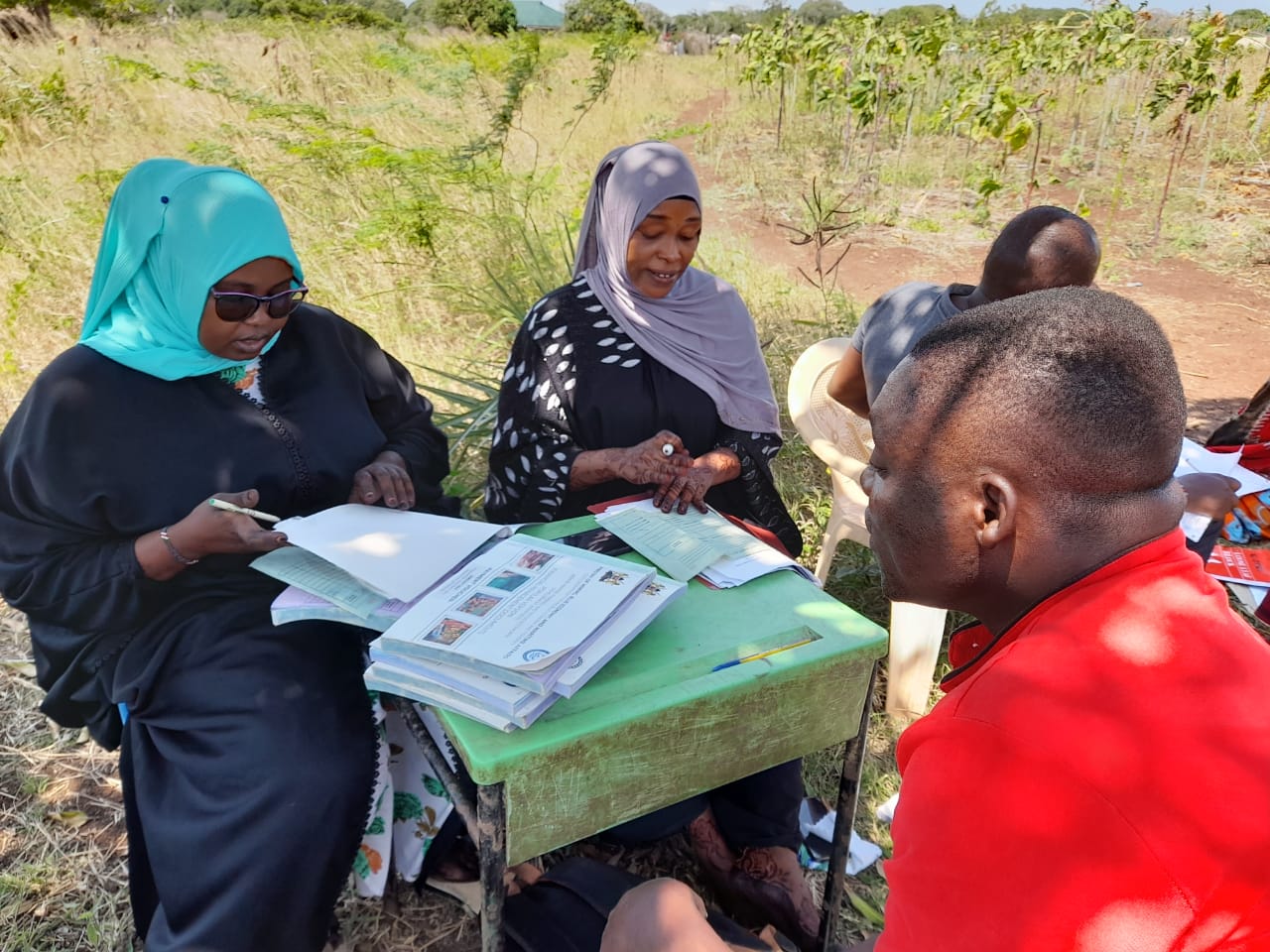
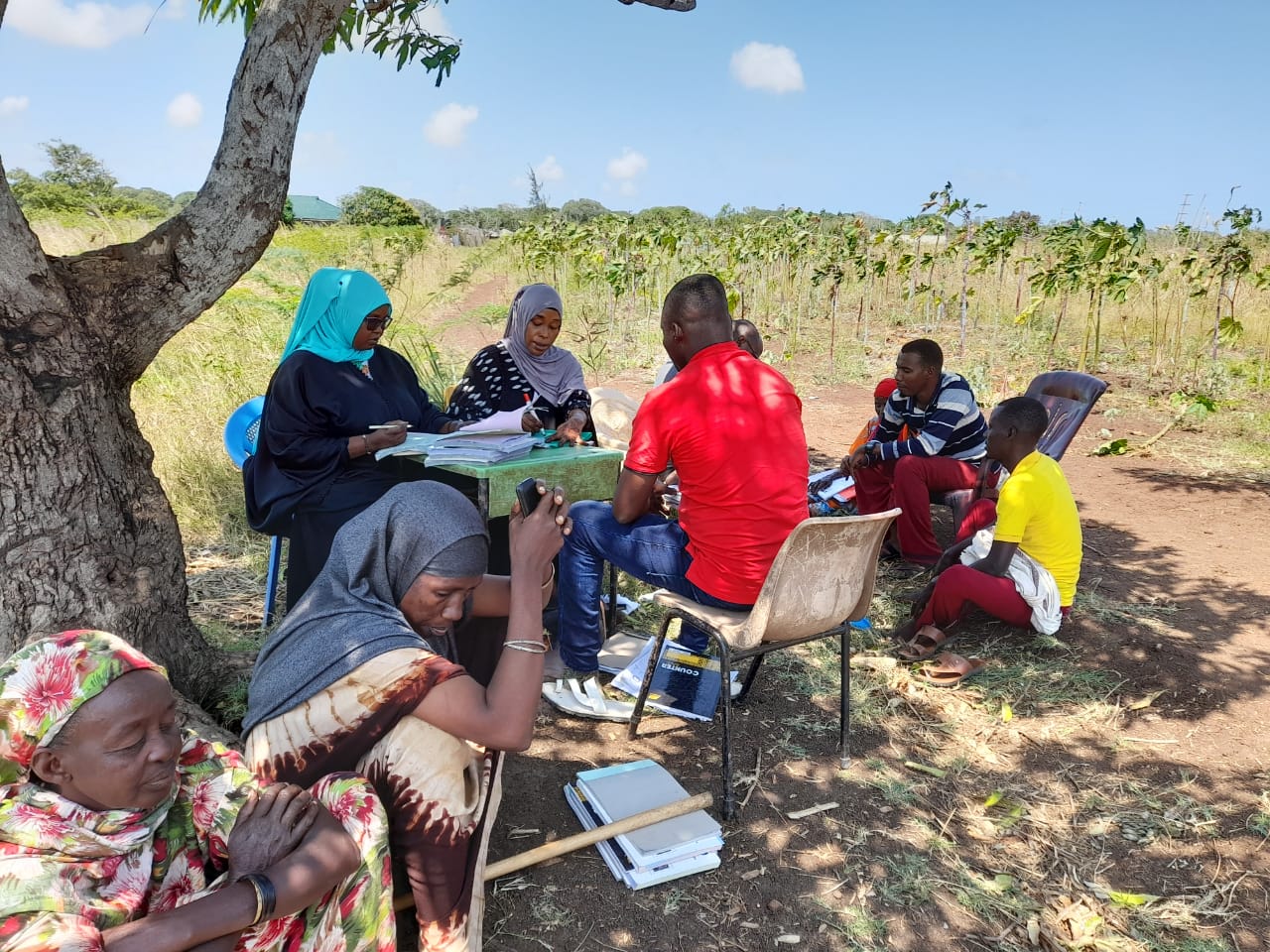
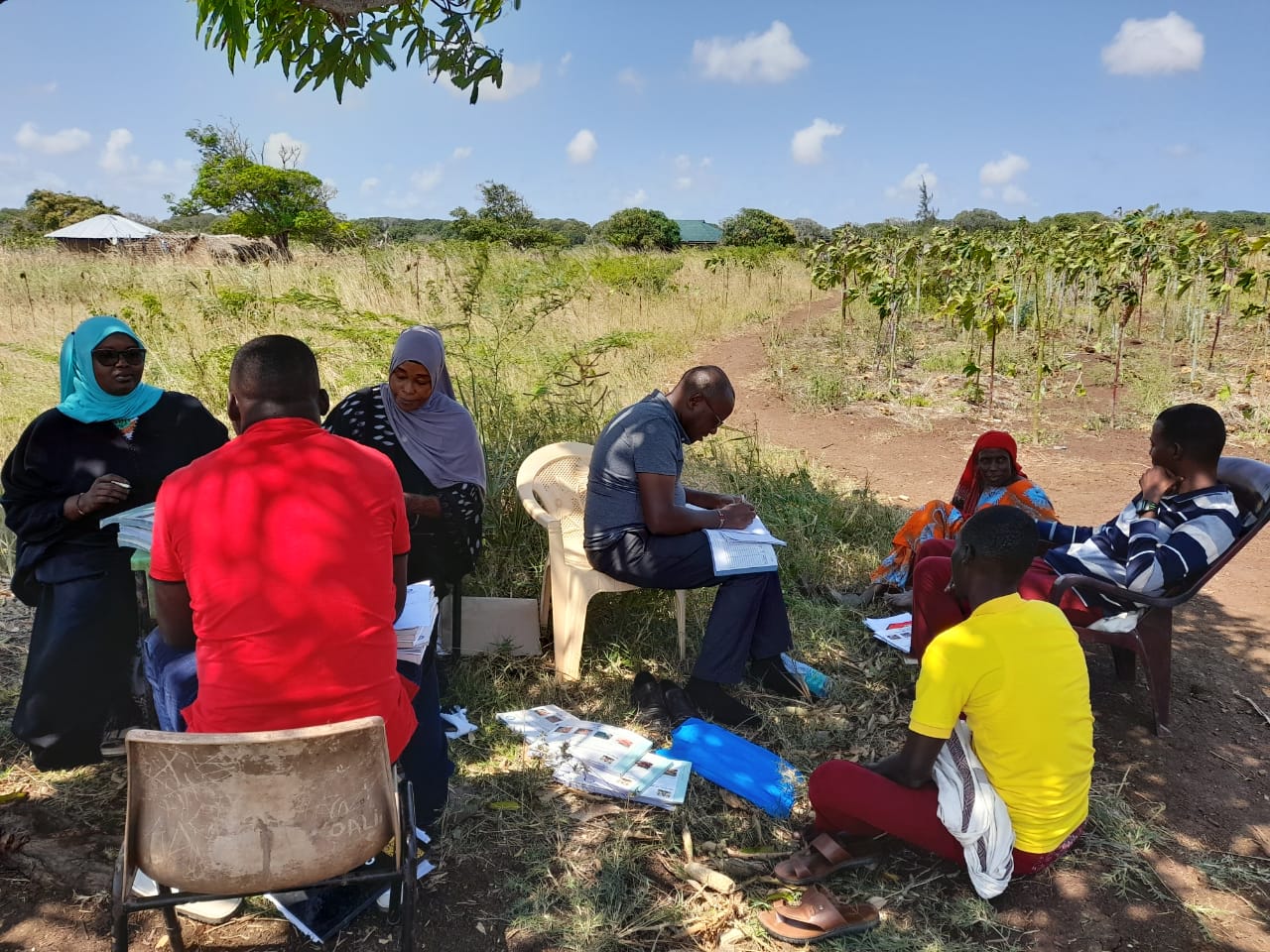
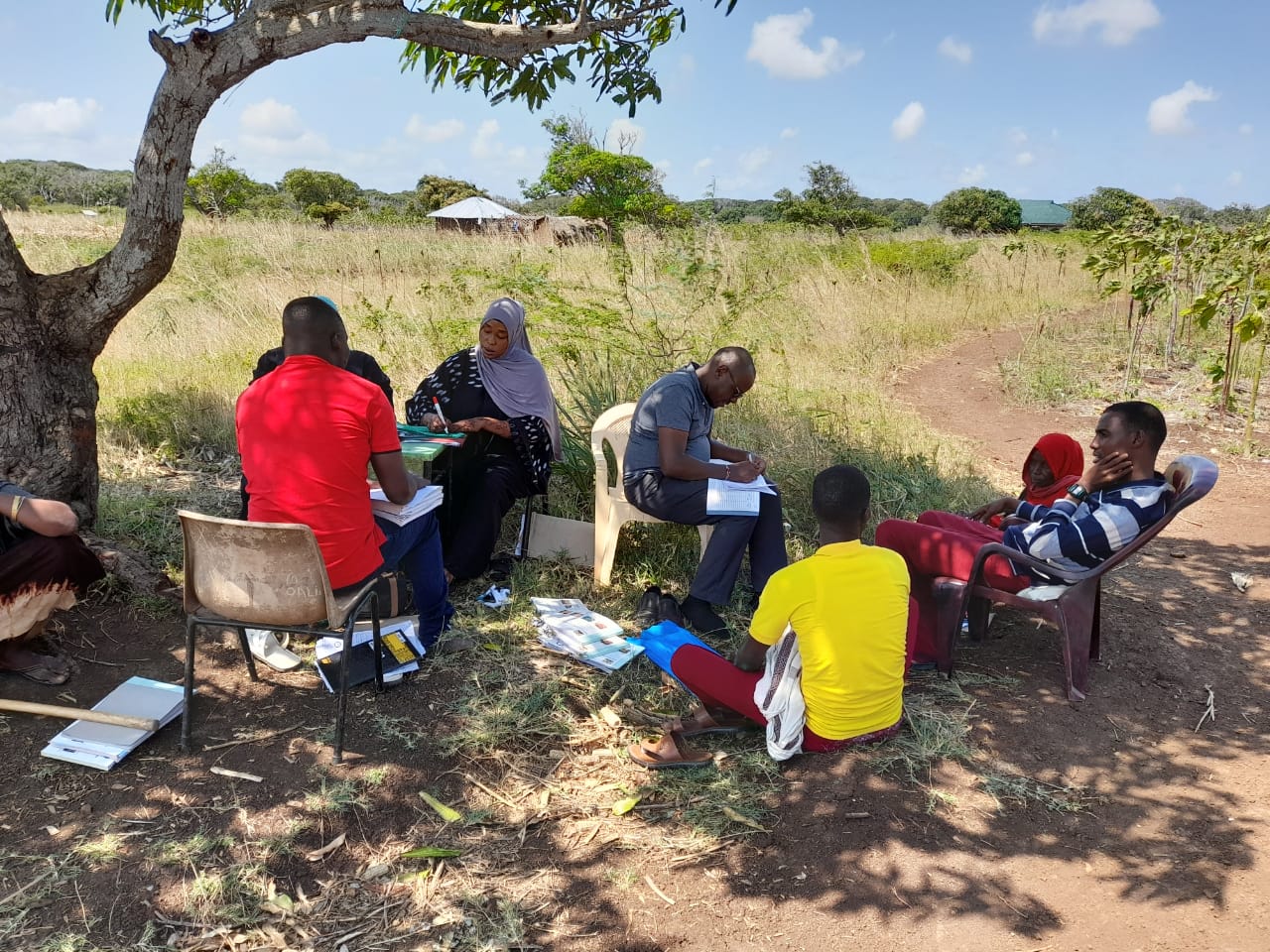
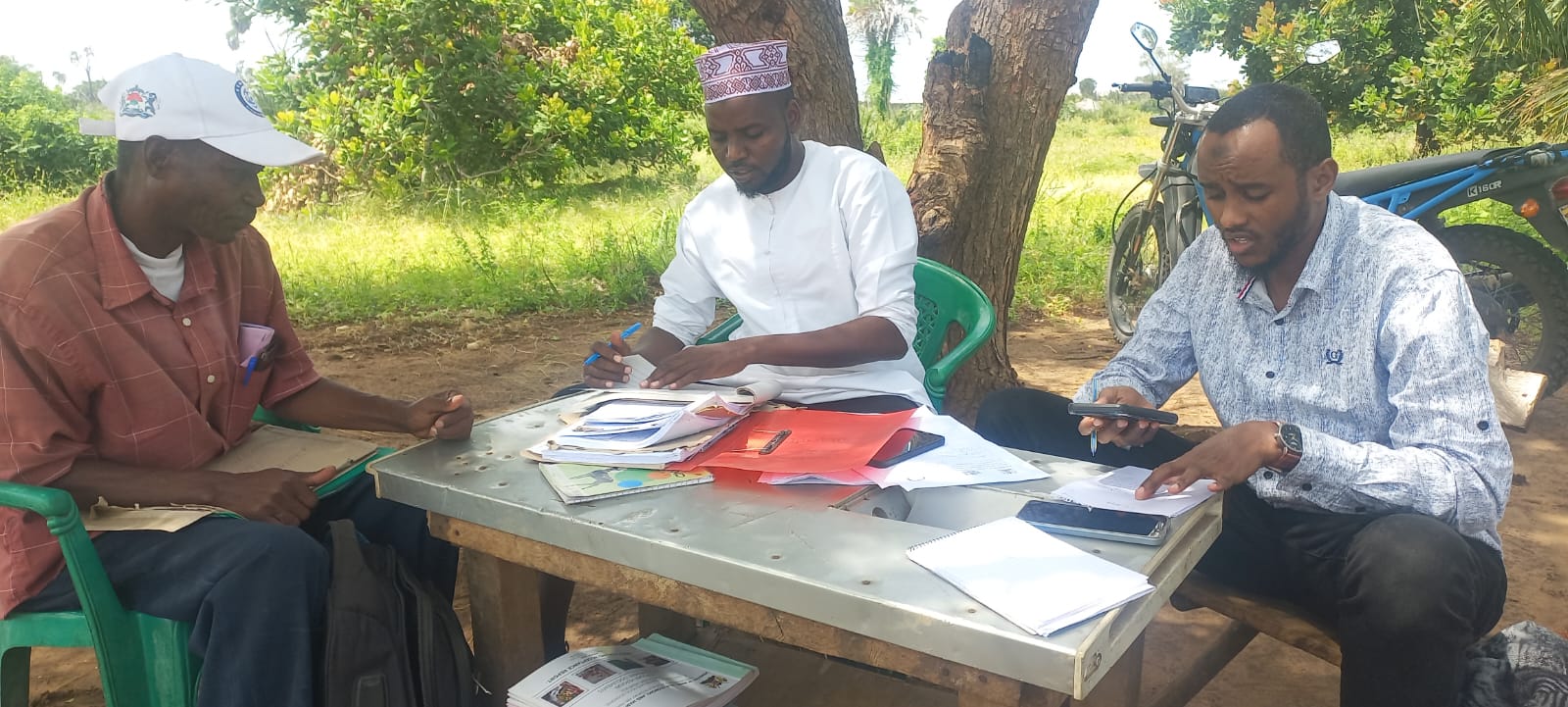
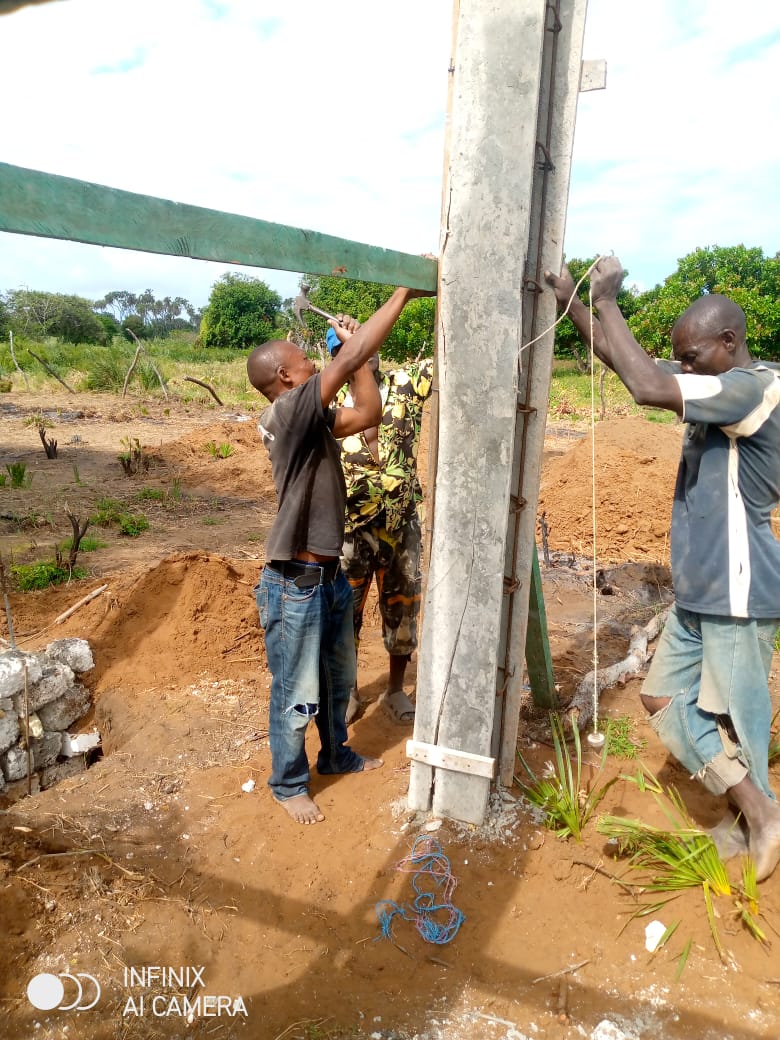
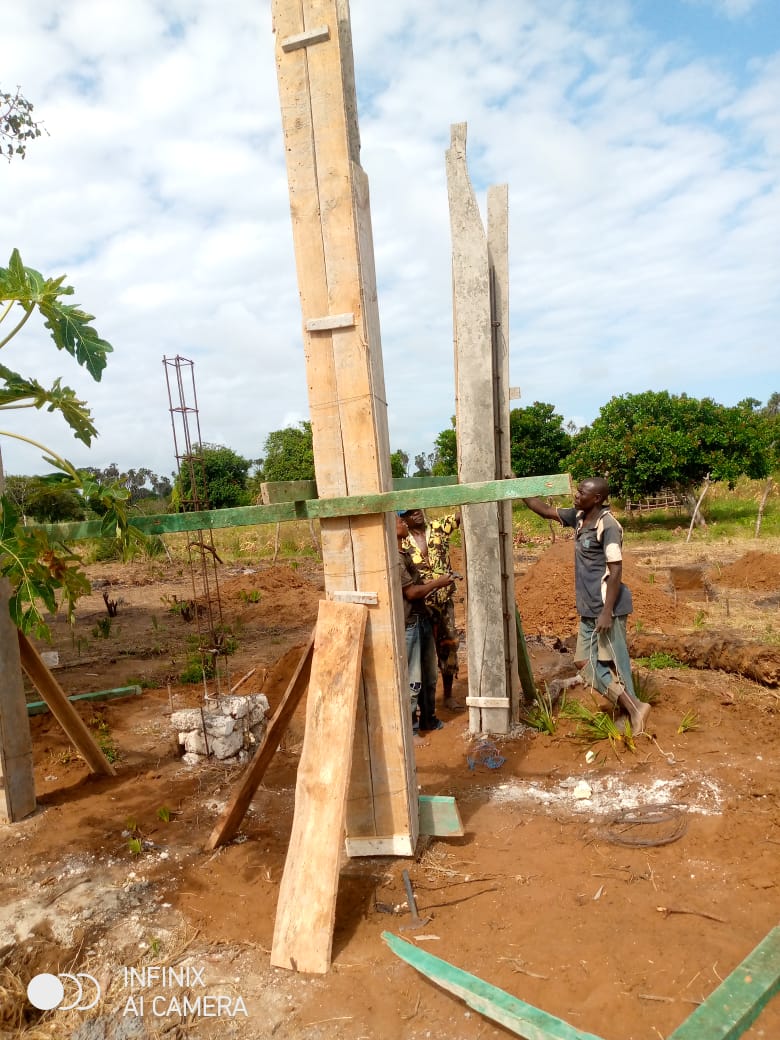
Weak governance has led to overfishing of these fisheries at the nearshore, reducing the catch per fisher and contributing to high poverty levels in local communities that are dependent on fisheries.
The project will increase coastal households’ access to complementary livelihood activities to help reduce diversify sources their sources income and reduce dependence on capture fisheries.
By better managing and conserving marine and inland water resources, reducing illegal fishing activity, and enhancing the value of the fish products in the fisheries value chains, KEMFSED is expected to enhance the sector’s contribution to the overall economy.
Project Components
KEMFSED’s Project Development Objective will be achieved through three components that focus on improving governance for sustainable management of priority fisheries, enhance the livelihoods of coastal communities and ensure effective implementation of project activities implemented jointly by the national and county governments as well as local communities.
- Component 1: Strengthen Capacity in Governance and Management of Marine Fisheries
- Component 2: Coastal Community Empowerment and Livelihoods
- Component 2: Coastal Community Empowerment and Livelihoods
Beneficiaries
The primary target group are the fishers and poor fisheries-dependent households, and rural communities with direct or indirect links to fishing activities, including vulnerable groups such as the Tswaka, Watha, Aweer and Sanye.
Impact
- Improved management of priority fisheries
- Improved management of mariculture
- Strengthened access to complementary livelihoods in coastal communities